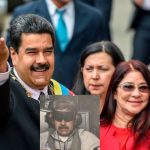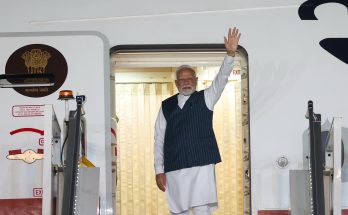
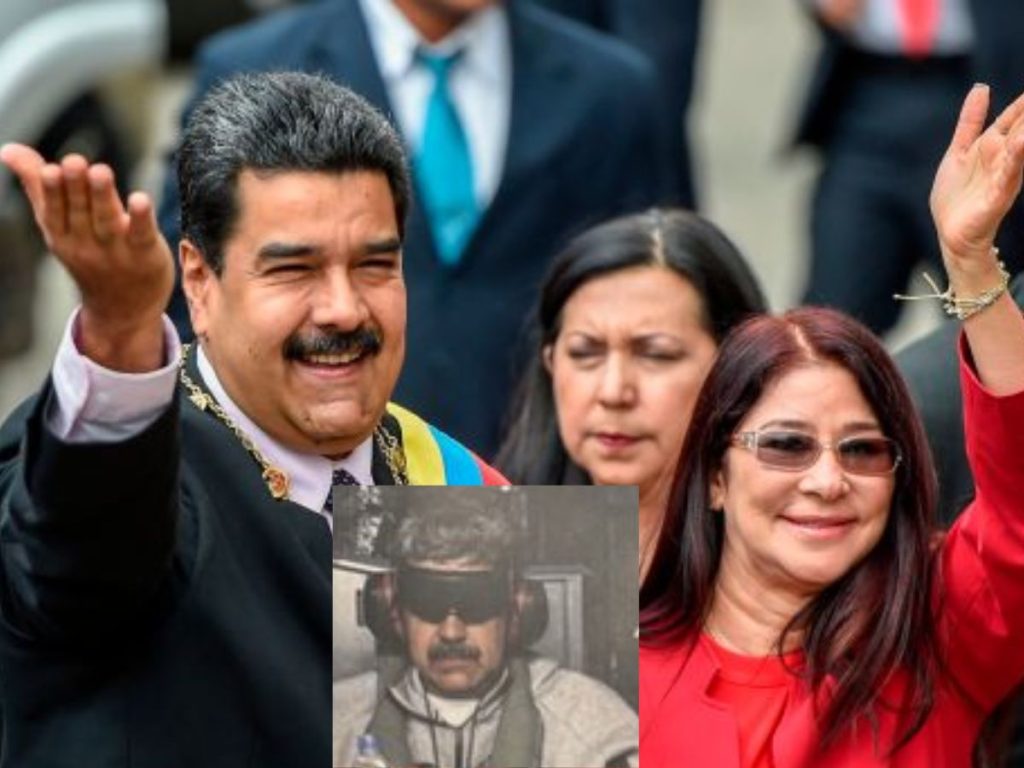
In a delicate diplomatic tightrope, India has reacted cautiously to the US special military operation and forcible capture of President Nicolas Maduro, expressing “deep concern,” but has refrained from condemning the US action which could offend US President Donald Trump at a time the India-US trade deal is hanging in balance.
In an official statement, India’s Ministry of External Affairs said that it is closely monitoring the evolving situation and reaffirmed its support to the well-being and safety of the people of Venezuela. “We call upon all concerned to address issues peacefully through dialogue, ensuring peace and stability of the region,” the MEA said in a statement. The MEA has also issued an advisory asking all Indian nationals to avoid all non-essential travel to Venezuela. The Indian embassy in Caracas is in contact with members of the Indian community and will continue to provide all possible assistance.
The Left parties in India, including the Communist Party of India (Marxist) and Communist Party of India have, however, expressed outrage and asked the government to raise its voice demanding the US to show proof that Maduro is still alive and stand by the UN charter. The Politburo of CPM also called upon the people of India to join in protests against the US aggression on Venezuela and demanding it to immediately reveal the whereabouts of President Nicolas Maduro and his wife Cilia Flores.
India’s circumspect response stands in contrast to fellow BRICS countries, including China, Russia, South Africa and Brazil which have strongly condemned the US’ unilateral use of force in the South American country.
India’s decision to neither endorse nor condemn the US action in Venezuela is rooted in its long-standing doctrine of strategic autonomy.
The primary reason for India’s caution regarding the shocking mid-night raid by US elite forces in Venezuela is its calculation that the condemnation will invite a sharp reaction from President Trump, who has vehemently defended the US capture of Mr Maduro. “India can ill afford to antagonise the temperamental Trump specially at a time when a successful conclusion of the India-US trade deal depends a great deal keeping the US president happy,” said Manish Chand, CEO, Centre for Global India Insights, a think tank focused on global affairs.
Pragmatic economic considerations may have also influenced India’s decision not to condemn the US’ military action in Venezuela. The US’ control of Venezuela oil, after the capture of President Maduro, could mean ONGC realising about $500 million in long-pending payments and a stabilisation of global oil prices.
Taking a nuanced stand, Kanwal Sibal, India’s former foreign secretary and a well-known commentator, said that while India “need not use the vocabulary of condemnation,” “we could well remind all concerned about the need for maximum restraint, the imperative need to respect the sovereignty, equality and independence of countries, to abjure taking unilateral actions, to abide by the UN Charter and not violate international law.”
“On Venezuela, realism demands holding two truths together. Power still shapes outcomes, and deterrence is real in a hard world. That is what the U.S action demonstrates. No doubt, for countries like India, the normalisation of regime change by force carries long-term risks. What may strengthen deterrence in the short run can also increase unpredictability—and unpredictability is a strategic cost for middle powers,” said Nirupama Rao, a former foreign secretary.
Author Profile

- India Writes Network (www.indiawrites.org) is an emerging think tank and a media-publishing company focused on international affairs & the India Story. Centre for Global India Insights is the research arm of India Writes Network. To subscribe to India and the World, write to editor@indiawrites.org. A venture of TGII Media Private Limited, a leading media, publishing and consultancy company, IWN has carved a niche for balanced and exhaustive reporting and analysis of international affairs. Eminent personalities, politicians, diplomats, authors, strategy gurus and news-makers have contributed to India Writes Network, as also “India and the World,” a magazine focused on global affairs.
Latest entries
 DiplomacyJanuary 5, 2026India walks diplomatic tightrope over US operation in Venezuela
- India and the WorldNovember 26, 2025G20@20: Africa’s Moment – The Once and Future World Order
- DiplomacyOctober 4, 2025UNGA Resolution 2758 Must Not Be Distorted, One-China Principle Brooks No Challenge
- India and the WorldJuly 26, 2025MPs, diplomats laud Operation Sindoor, call for national unity to combat Pakistan-sponsored terror