Bridging divides, building bridges. Animated by this mantra of consensus-building, India’s spirited diplomacy culminated in a robust joint declaration that has bolstered BRICS’ credentials as the voice of the Global South and positioned the grouping as a force of peace in a conflict-ridden world.
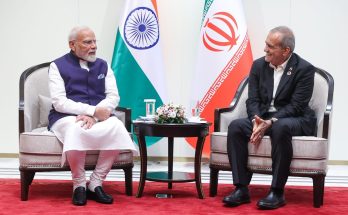
Ending weeks of speculation and suspense, Iran and the United Arab Emirates, which has been at loggerheads, agreed to a last-minute compromise on mutually acceptable language to describe the war in West Asia. This paved the way for the unanimous adoption of the New Delhi Declaration by the 11-member grouping. In a delicate balancing act,
In a spirit of solidarity and oneness, the BRICS countries signed onto the New Delhi Declaration on September 12. Accelerating reforms of global governance and enhancing international peace and security through diplomacy and dialogue were two major highlights of the New Delhi Declaration.
Prior to the summit, differences over the war in West Asia looked difficult to bridge. Iran and the UAE were at loggerheads over this contentious issue, with Iran demanding strong condemnation of the US-Iran-Israel war in West Asia and the UAE demanding condemnation of Iran over strikes on neighbouring Gulf states. In the end, India’s deft diplomacy persuaded the two rivals to agree to a more nuanced formulation which expresses collective concern over the continued escalation of tensions in Middle East/West Asia and resolution of issues through dialogue and diplomacy.
The New Delhi Declaration avoids name-calling and blame game and asks parties to exercise maximum restraint, as well as avoid actions that could further aggravate the situation. The Declaration calls for ensuring the protection of civilians and civilian infrastructure in and stresses respect for the sovereignty and territorial integrity of the States.
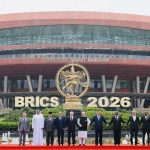
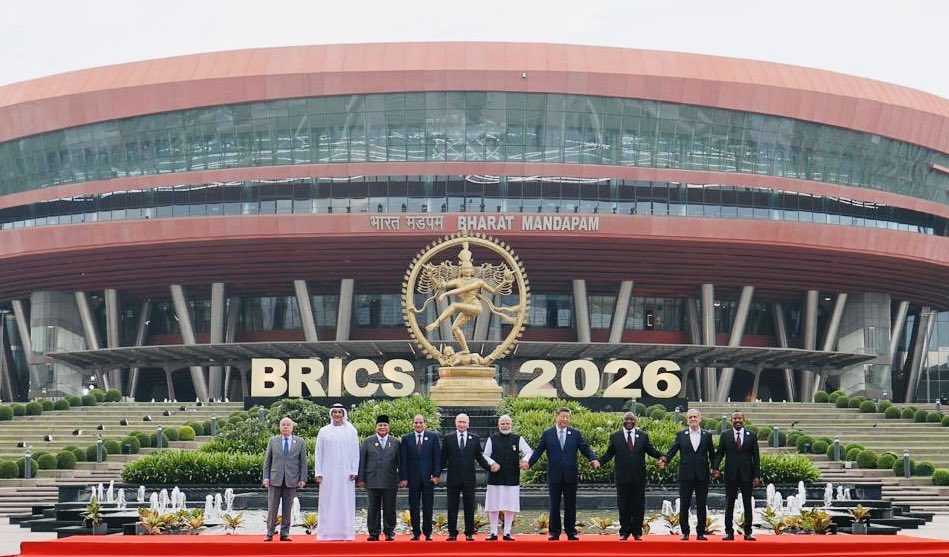
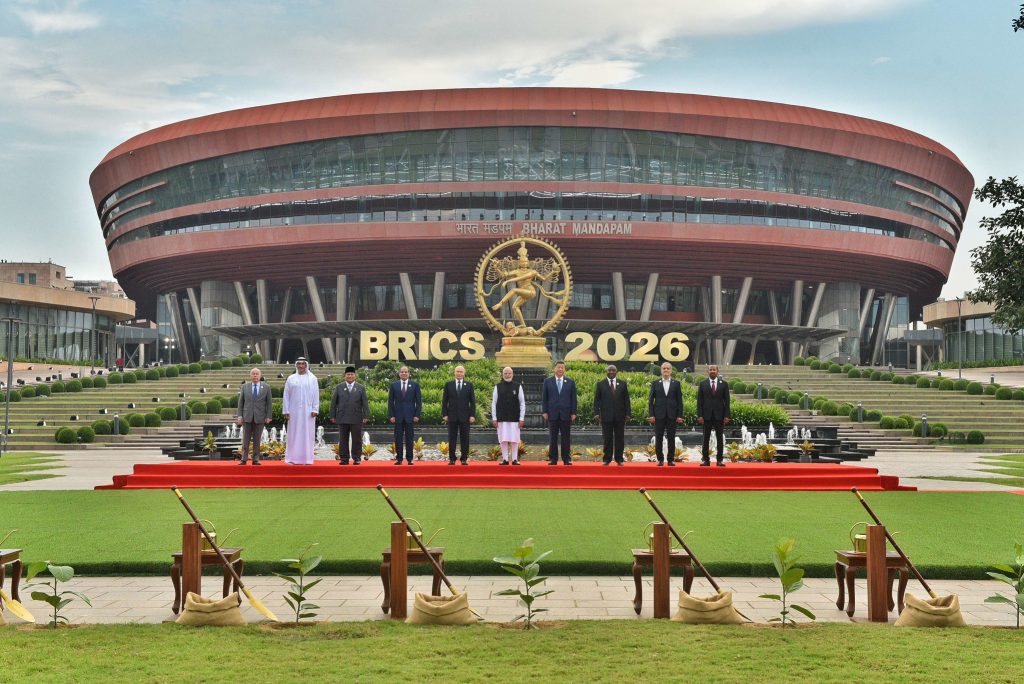
The summit meeting was attended by the leaders of eight member countries, including Russian President Vladimir Putin, Chinese President Xi Jinping, Iranian President Masoud Pezeshkian, and the leaders of Indonesia, Ethiopia, Egypt, and South Africa. Brazil and the UAE sent their foreign ministers to the Delhi summit.
Accelerating UNSC reforms
Espousing interests of the Global South, the New Delhi Declaration made a vigorous call for accelerating reform of global governance institutions, including the UN Security Council.
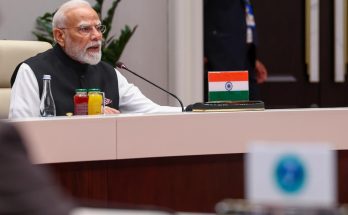
In this regard, PM Modi’s remarks in the opening session called for formulating a BRICS Reform Roadmap by the next Summit. “I would like to say that reform of the UN Security Council can no longer be delayed. The text-based negotiations on this issue must be linked to a clearly defined timeline and concrete outcomes,” said PM Modi.
“We must work to transform the Global South from rule-takers into rule-shapers. Through BRICS, we can provide young diplomats and policymakers from the countries of the Global South with negotiation skills, practical training, and legal expertise,” he said.
Author Profile

- Manish Chand is Founder and Editor-in-Chief of India Writes Network (www.indiawrites.org) and India and World, a pioneering magazine focused on international affairs. He is CEO, Centre for Global India Insights, an India-based think tank focused on global affairs.
Latest entries
 India and the WorldSeptember 13, 2026BRICS transcends Gulf divide, pitch for UN fast-tracking reforms
- DiplomacySeptember 13, 2026BRICS bonding bolsters India-Vietnam ties
- India and the WorldSeptember 11, 2026Decoding India’s BRICS moment: Forging an Inclusive World
- In ConversationSeptember 9, 2026India’s BRICS Chairship Critical for Global South: South Africa’s Envoy