India, Russia converge on terror, sign 16 pacts

Underscoring the special and unique nature of their relations, India and Russia have signed 16 pacts in diverse areas, including defence, energy, trade and investment and promoting connectivity that are set to provide added heft to this crucial strategic partnership.

Dispelling speculation about drift in bilateral ties, the leaders of the two countries underscored the special and privileged character of the India-Russia strategic partnership.

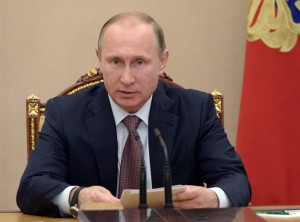
The meeting between Prime Minister Narendra Modi and Russian President Vladimir Putin at a luxury hotel in Benaulim on October 15 was marked by warmth, mutual trust and a meeting of minds on a wide gamut of issues, including terrorism.

Highlighting convergence between India and Russia on a range of issues, Mr Modi expressed appreciation of Russia’s “unequivocal condemnation” of the cross-border terror attack in Uri on September 18. “Russia’s clear stand on need to combat terrorism mirrors our own. We deeply appreciate Russia’s understanding and support of our actions to fight cross border terrorism that threatens our entire region. We both affirmed the need for zero tolerance in dealing with terrorists and their supporters,” Mr Modi said at a joint media appearance with Russian President Vladimir Putin here.

Read More

India hopeful Russia will scale down military ties with Pakistan, big deals on way

Amid a note of dissonance over the issue of Russia’s joint military drills with Pakistan, India has voiced confidence that Moscow will reflect on New Delhi’s concerns as it unveiled an ambitious multifarious agenda to galvanize the special and privileged strategic partnership between the two countries.

In an attempt to downplay Moscow’s military outreach to Islamabad, India’s ambassador to Russia Pankaj Saran indicated that a specific incident or episode should not be allowed to shadow the India-Russian relationship, which is special in many ways.

“It’s not legitimate to reduce the relationship to what happened a few days ago,” Mr Saran said when asked by India Writes Network on whether the Pakistan-Russia joint exercises have cast a shadow over the so-called special and privileged relationship between New Delhi and Moscow.

“We have conveyed our concerns to the Russian side. We are confident that Russia will reflect on our concerns,” the Indian envoy told reporters at Taj Exotica Hotel, the venue of the 17thIndia-Russia annual summit and the 8th BRICS summit.

Read More

China courts Bangladesh with big-ticket deals

China looks set to raise the bar for its ties with Bangladesh by announcing deals and loans worth billions of dollars during Chinese President Xi Jinping’s official visit to Dhaka on October 14. Bangladeshi officials are expecting at least &20 billion package of investment and aid during President Xi’s visit.

The two countries are also expected to sign a Memorandum of Understanding (MoU) on strengthening investment and production capacity. In an issue of concern to India, Mr Xi is also set to launch a charm offensive to win Dhaka’s support for his per project of trans-regional connectivity, ‘One Belt One Road’(OBOR).

Read More

US asks Pakistan to act against Hafiz Saeed, supports India’s right to self-defence

In a boost for India’s drive to expose Pakistan’s role in fomenting terror, the US has launched a blistering attack on terror impresario Hafiz Saeed, the virulently anti-India suspected mastermind of the Mumbai carnage, and endorsed India’s surgical strikes against terror camps in Pakistan-Occupied Kashmir.

Washington’s indictment of Pakistan comes ahead of the BRICS summit in Goa where India will focus on getting the support of emerging powers for pressuring Pakistan to abandoning cross-border terrorism.

The message to Islamabad was clear: stop sheltering terrorists and punish the perpetrators of the 26/11 attacks.

Read More

Isolated by India, Pakistan plays with ‘bigger SAARC’ idea

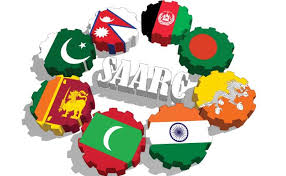
In the wake of the Uri terror strike, India announced its decision not to participate in the SAARC summit which was supposed to be held in Pakistan in November this year. All other SAARC nations followed suit, and decided to boycott the summit. Distressed by this marginalisation and mainly due to India’s increasing influence in the SAARC, Pakistan is now playing with the idea of a greater SAARC. According to a recent report in the Dawn newspaper, Pakistan is looking at the possibility of a “bigger SAARC” to check India’s increasing dominance in the eight-member forum.

According to the report, “Pakistan has pitched the idea of a greater South Asian economic alliance, one that includes China, Iran, and some neighboring Central Asian countries”. A parliamentary delegation from Pakistan during its five-day visit to Washington last week pitched this idea, the report said. “A greater South Asia is already emerging,” Senator Mushahid Hussain Syed was quoted as saying in one of his interactions with the media. “This greater South Asia includes China,Iran, and the neighboring Central Asian republics,” he said. He described the China-Pakistan Economic Corridor as the key economic route linking South Asia with Central Asia.

Read More

Modi warns Pakistan, calls for slaying ‘Ravana’ of terror

Riding high on the surgical strikes conducted by India’s Special Forces on terror pads in Pakistan-Occupied Kashmir, India’s Prime Minster Narendra Modi’s twenty-minute Dussehra speech in Lucknow focused on terrorism, with a clear warning to Pakistan to stop the export of terror. “Terror is the new target and India will not spare those who shelter and help terrorists,” he said in an obvious reference to the Uri terror strike perpetrated by Pakistan’s terrorists.

Read More

Scripting a new chapter in India-Iran relations

Building on centuries of civilisational connect and shared interests amid a shifting regional geopolitical landscape, Prime Minister Narendra Modi’s maiden visit to Tehran (May 22-23) opened a new chapter in India’s relations with an emerging power in the West Asia region. Enhancing connectivity and commerce, combined with rejuvenating cultural connections, were the overarching themes that framed the first standalone bilateral visit by an Indian Prime Minister to Iran in over a decade and culminated in a road map for advancing India-Iran relations in the next decades of the 21st century.

Read More